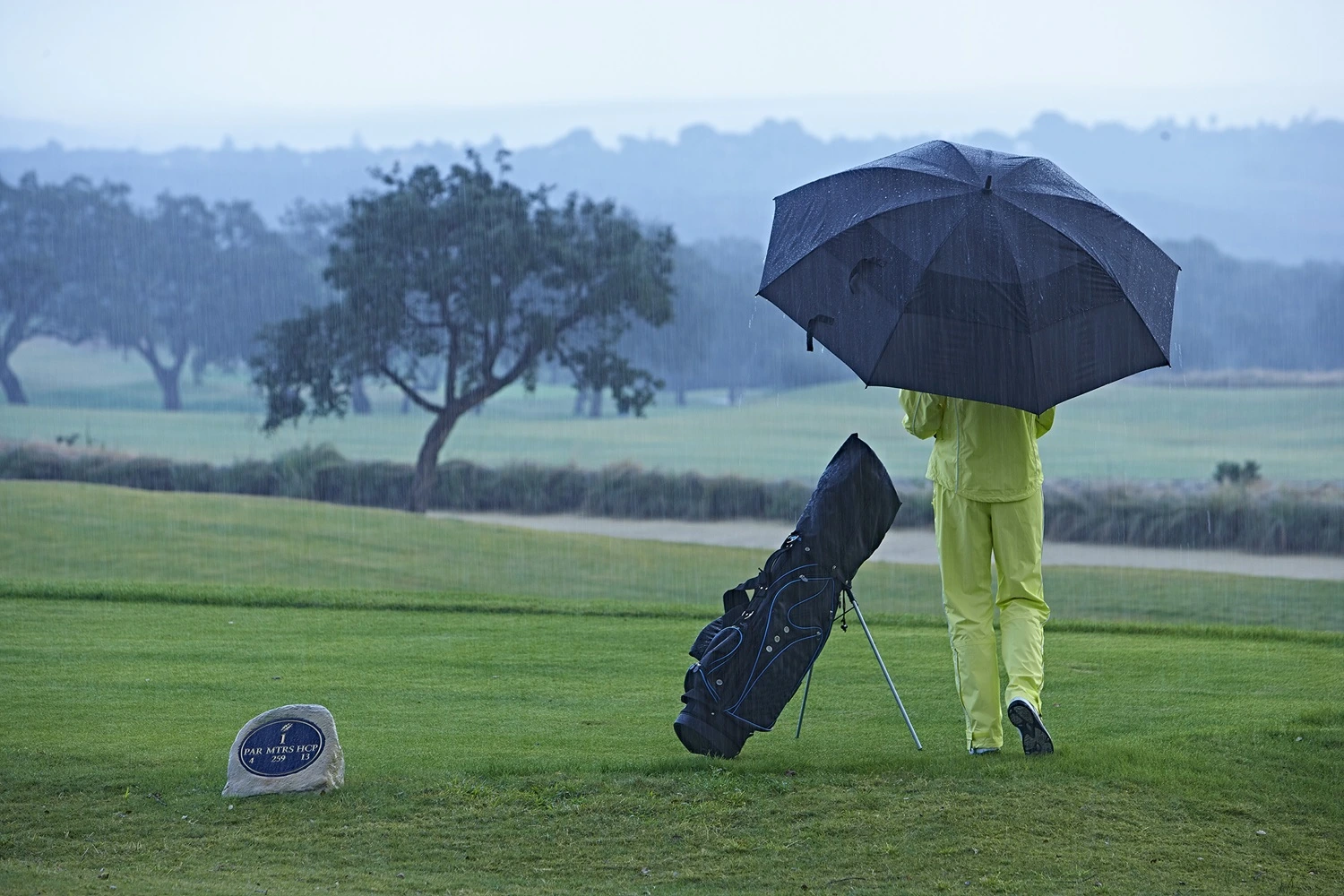
You know that winter has truly arrived in Ireland not by the calendar, but by the sound under your feet. It is that specific squelch on the fairway, the wind that feels like it is coming in sideways, and the inevitable appearance of a specific notice on the clubhouse wall: “Winter Rules in Operation – Preferred Lies”.
For a lot of golfers, that sign raises more questions than it answers. Suddenly, the game changes. You might be playing off a strip of Astroturf, aiming at a hole cut into the fairway thirty yards short of the actual green, and wondering why your 38 points did not trigger a handicap cut. There is often confusion about why some rounds count for your index while others suddenly do not.
Let us clear up the confusion. Here is everything you need to know about Winter Rules, why the World Handicap System (WHS) seems to go into hibernation, and what you are actually allowed to do when the course gets heavy.
What “Winter Rules” Actually Mean
First, a point of order. Technically, there is no such thing as “winter rules” in the official Rules of Golf. It is simply golf terminology for a bundle of Local Rules that clubs introduce when the course is very wet, muddy, or easily damaged.
When your club announces that winter rules are in play, they are usually implementing one of two specific R and A protocols.
1. Model Local Rule E-2 (Cleaning Ball)
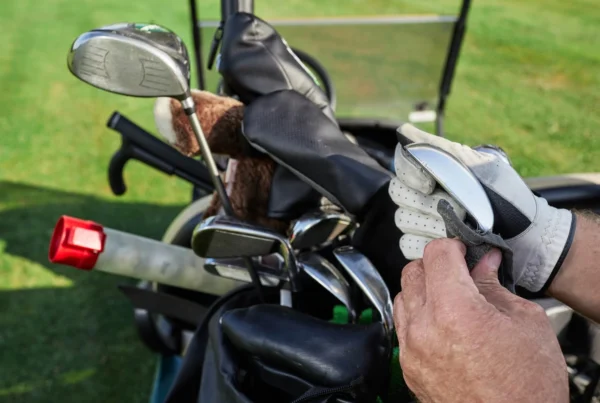
This rule allows you to lift, clean, and replace your ball on the exact same spot. This is typically used when the ground is firm enough to play from, but mud is sticking to the ball, which would affect the flight.
2. Model Local Rule E-3 (Preferred Lies)
This is the one most of us know as “placing”. When your ball lies in a closely mown area (fairway height or less), you are allowed to lift, clean, and place it within a specific relief area. This area is defined by the club, often six inches, a scorecard length, or a club length, and must be not nearer the hole.
These rules exist for two main reasons. The first is fairness. If golf balls are constantly plugging or covered in mud, the game stops being a fair test of your skill. The second is course protection. In prolonged wet or cold weather, preferred lies allow clubs to keep play going without destroying the turf.
When Does the Winter Golf Season Start?
Years ago, there was a rigid window for winter rules, usually running from the 1st of October to the 30th of April. Under modern R and A and Golf Ireland guidance, that calendar-based approach is gone.
Now, the use of preferred lies is entirely based on course conditions. The R and A is clear that implementing preferred lies is a Committee decision that should only happen when poor ground conditions are widespread.
Clubs can now use preferred lies whenever conditions genuinely require it, even if it is technically summer, and they should remove them as soon as the course can cope without them. In practice across Ireland, most clubs bring them in during autumn once growth slows and keep them through the darkest months when damage risk is highest.
The Big Question: Why is WHS “Switched Off”?
This is the most common question in Irish clubhouses. Officially, the World Handicap System does not have an off season in Great Britain and Ireland. Golf Ireland actually encourages clubs to keep returning scores for handicap purposes all year round.
However, many Irish golfers feel like the WHS is turned off once winter rules arrive. This is because, for a score to be acceptable for handicap purposes, the course must meet strict conditions that Irish winters often make impossible to maintain.
1. The Course Length Issue
For a round to count towards your handicap, the course must play to its measured length. Golf Ireland guidance states that the total length of an 18 hole course must not change by more than 100 yards from its official measurement unless a temporary Course Rating adjustment is made.
In winter, greenkeepers frequently move tee markers forward to rest the main tee boxes. If the total length is reduced significantly, the course rating is no longer accurate and scores cannot count.
2. Temporary Greens and Tees
When the weather gets severe, clubs often introduce temporary greens to save the putting surfaces. Golf Ireland provides a strict checklist for this situation.
- For an 18 hole course to be in acceptable score condition, no more than two temporary greens can be in use.
- For a 9 hole course, only one temporary green is allowed.
Once a course has three or four temporary greens in play, or is using makeshift winter tees that have not been officially rated, the course is no longer in acceptable score condition.
Additional small refinement. Portable tee mats used on tee boxes are not allowed for handicap rounds unless the club uses a permanent artificial teeing mat that has been officially measured and rated.
3. Reduced Hole Competitions
Daylight is the other enemy. With the sun setting by mid afternoon, many clubs switch to 12, 13, or 14 hole competitions.
While the WHS software can technically calculate an 18 hole score from 10 or more holes using an Expected Score formula, combining shortened layouts with temporary greens creates a massive administrative headache. It is often simpler and fairer for clubs to declare these competitions non counting, even if they remain fiercely competitive.
The Truth About Mats
To protect soft fairways, clubs sometimes make fairway mats compulsory. There is a myth that using a mat automatically kills your handicap score, but this is not true.
Under Model Local Rule E-12, a Committee can require you to use a mat on closely mown areas. Golf Ireland confirms that scores may still be acceptable for handicap purposes when fairway mats are required, provided the rule applies only to the fairway and not the rough.
However, tee mats are a different story. Portable mats used on tee boxes are generally not allowed for handicap rounds as they are considered non conforming tees. Unless the club uses a permanent artificial teeing mat that has been officially measured and rated, using a portable mat on the tee means the round cannot count.
Summary: What Should You Do?
If you arrive at the club and see the Winter Rules sign, do not assume your handicap is frozen. Here are a few practical takeaways.
- Check the Noticeboard. Always read the Local Rules sheet before you tee off. This is where you will see if preferred lies, mats, or temporary greens are in play and whether the competition is counting.
- Do not Assume. If the course is largely on full greens and measured tees, your club may well keep WHS scores going right through the winter.
- Ask the Experts. If you are unsure, ask the pro shop or competition committee. They can tell you if the course is in acceptable score condition.
- Use the Winter Wisely. If the competition is non counting, use it to your advantage. It is a brilliant time to work on your technique with a local PGA pro without the pressure of chasing a score for your handicap.
Winter rules are not there to confuse you. They are there to keep golf playable and fair when the Irish weather does its worst. Understanding them ensures you can enjoy your winter golf without worrying about the numbers beside your name.